What Happens When Two Black Holes Collide?
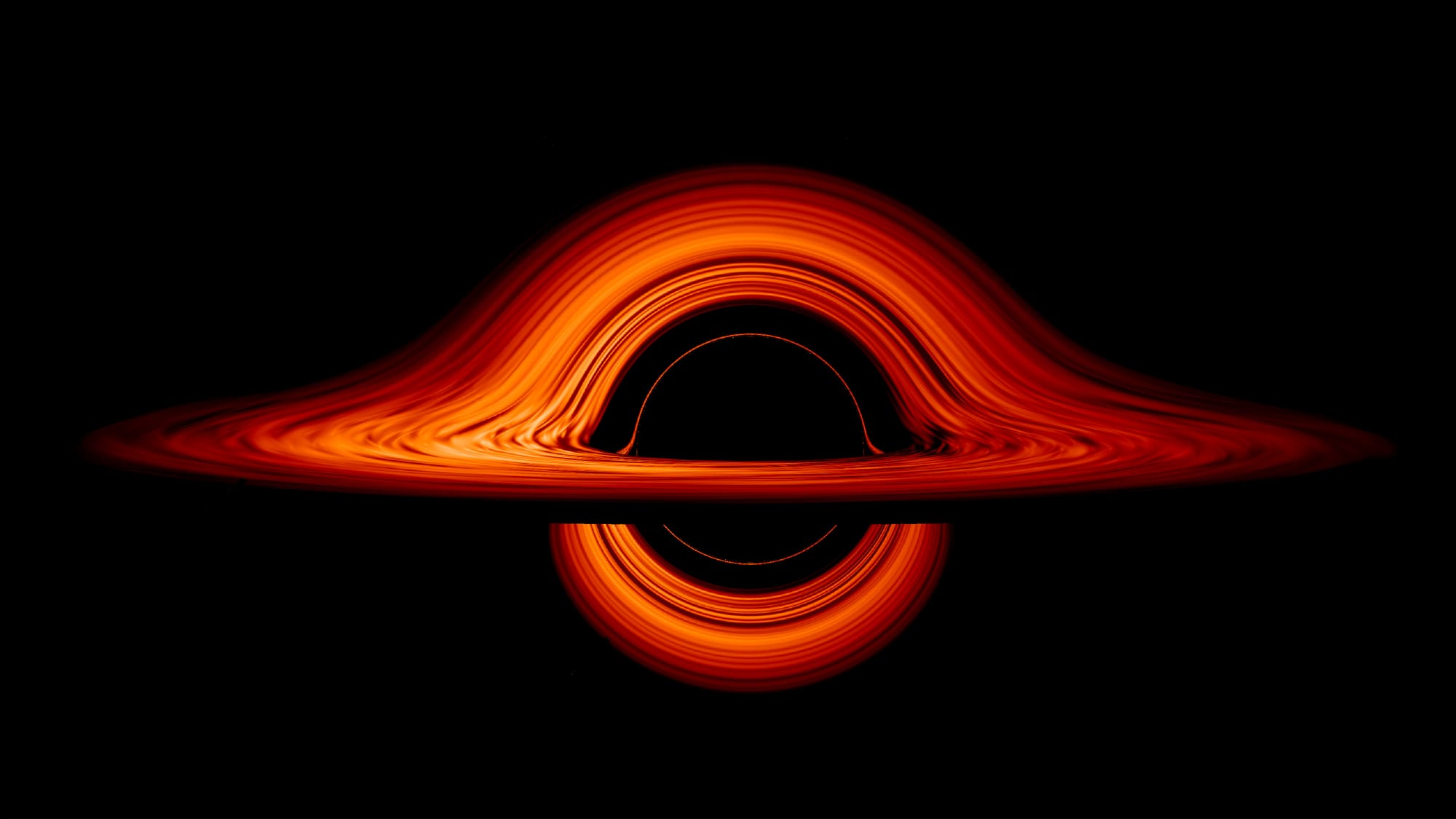
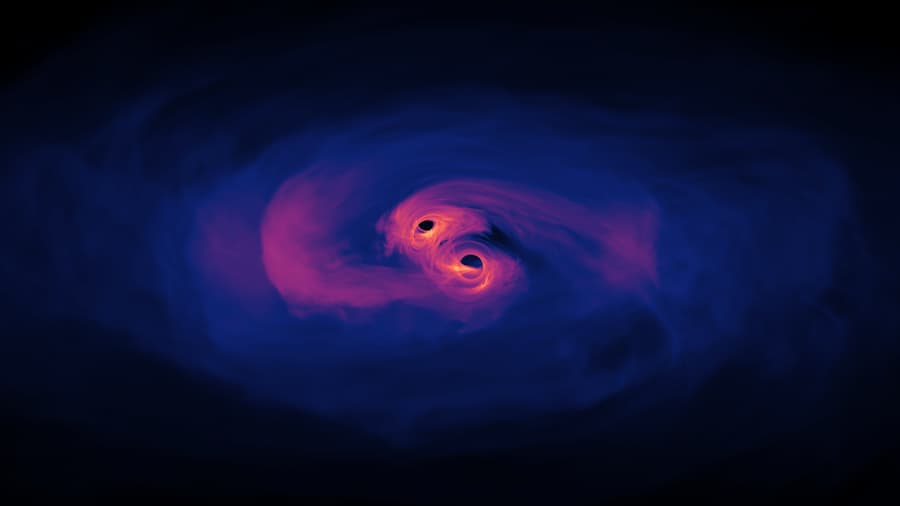
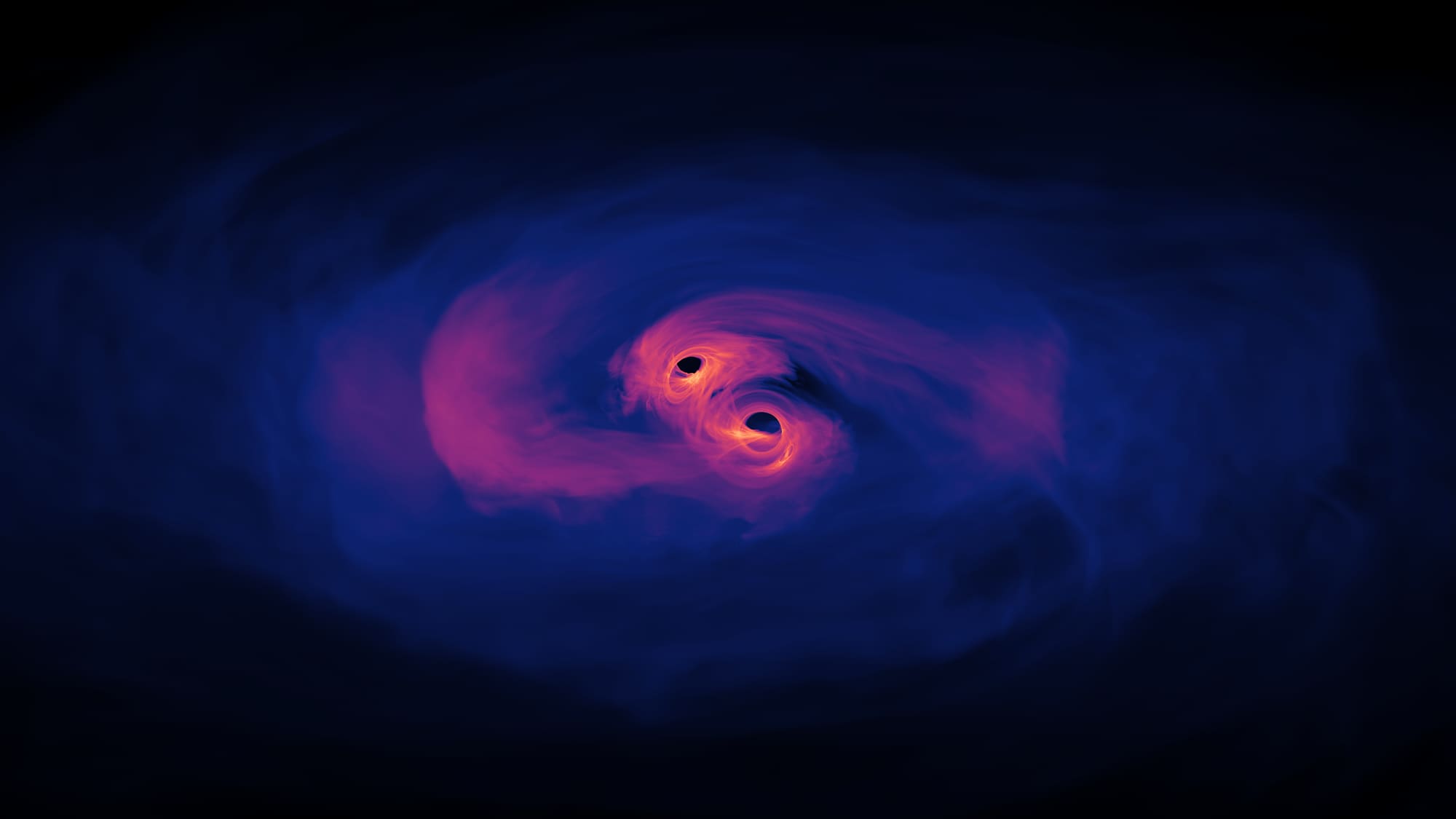
In a fraction of a second, two dark giants become one and turn the mass of several suns into pure trembling of space. Here is how it unfolds, and what three remarkable signals have taught us.

A little more curious, every day.

In a fraction of a second, two dark giants become one and turn the mass of several suns into pure trembling of space. Here is how it unfolds, and what three remarkable signals have taught us.

Forget the 10,000-step rule. The best evidence now says the big gains come sooner than you think, and they reach from the heart to the memory.
The clatter of a busy dining room is no accident of bad manners. It is physics, biology and a feedback loop that turns a pleasant supper into hard mental work.
Fresh, interesting stories from across the magazine.
Hearing & SoundHow Artificial Intelligence Is Changing Hearing TechnologyDeep learning can now pull a voice out of a noisy room better than any filter before it. The hard part is making it fit behind an ear, run on a battery the size of a lentil, and answer in under ten milliseconds.
HealthWhat Actually Happens to Your Body When You Sit All Day?Hours in a chair do more than stiffen the back. They quietly change how your muscles handle sugar and fat, and the remedy turns out to be smaller and more frequent than you might think.
The MindThe Psychology Behind the Habits That Actually StickForget the 21-day rule. The science of habit says the real work is slower, kinder and more about where you are than who you are, and that one missed day doesn’t undo anything.
WellbeingSeven Small Habits That Make Healthy Ageing EasierNo miracle cures here, just seven modest, well-evidenced habits that help keep bodies steady, minds sharp and lives full as the years add up.
ScienceScientists Are Discovering Something Strange About Dark EnergyFor more than a quarter of a century, the force pushing the universe apart was assumed to be utterly constant. A giant galaxy map and a new multi-model analysis suggest it may be changing, and the mystery of how fast the cosmos is expanding refuses to go away.
Practical discoveries about health, sleep, nutrition, movement and everyday living.
We count steps and calories but treat sleep as the thing we do when everything else is finished. The science suggests it deserves a far better seat at the table.
No miracle cures here, just seven modest, well-evidenced habits that help keep bodies steady, minds sharp and lives full as the years add up.
Cold plunges and 5am alarms make for good videos. The evidence points somewhere quieter: daylight, a steady wake time, and a healthy scepticism about morning myths.
Hours in a chair do more than stiffen the back. They quietly change how your muscles handle sugar and fat, and the remedy turns out to be smaller and more frequent than you might think.
Friendship is usually filed under pleasure, not health. Eight decades of research, and a new warning from the World Health Organization, suggest it belongs in both.
Fascinating physics, astronomy, cosmology and scientific breakthroughs.
For more than a quarter of a century, the force pushing the universe apart was assumed to be utterly constant. A giant galaxy map and a new multi-model analysis suggest it may be changing, and the mystery of how fast the cosmos is expanding refuses to go away.
Your head is ageing faster than your feet, the satellites in your phone’s sky run fast, and the early universe plays out in slow motion. A century after Einstein, clocks have caught him being right at every scale.
Strike a black hole and it rings like a bell, with a deep note, fading overtones and, a new study shows, the occasional strange duet in which two notes become one.
When a gravitational-wave alert goes out, telescopes around the world have minutes to decide whether to chase it. A machine-learning system called GWSkyNet-II now helps them tell a cosmic collision from a hiccup in the detector.
Psychology, behaviour, memory, neuroscience and happiness.
“A lapse was not a reset.”
Forget the 21-day rule. The science of habit says the real work is slower, kinder and more about where you are than who you are, and that one missed day doesn’t undo anything.
While you sleep, your brain replays the day, files it away and tunes it with exquisite timing. Scientists have even learned to nudge the process with a scent or a sound.
A single word down a crackly phone line is often enough to tell you who is calling. Behind that everyday feat lies a dedicated network in the brain, and a surprising benefit for ageing ears.
A study of nearly 46,000 older Britons wearing wrist trackers finds that more brisk activity goes with sharper thinking and fuller brains, and hints that the time of day may matter too.
The fascinating science behind sound, human hearing and hearing technology.
From the folds of the outer ear to a living amplifier coiled inside the skull, hearing is a chain of mechanical marvels that turns a ripple of air into meaning in a fraction of a second.
Deep learning can now pull a voice out of a noisy room better than any filter before it. The hard part is making it fit behind an ear, run on a battery the size of a lentil, and answer in under ten milliseconds.
From two tiny microphones a few millimetres apart to neural networks that take a fingerprint of the room, here is how a hearing aid decides which sounds deserve your attention, and how scientists check that it got it right.
Being able to hear a voice but not make out the words is one of the commonest complaints in audiology. Science is finally explaining why the ears and the brain can disagree.
Advertorial · From our publisher, WiseHear
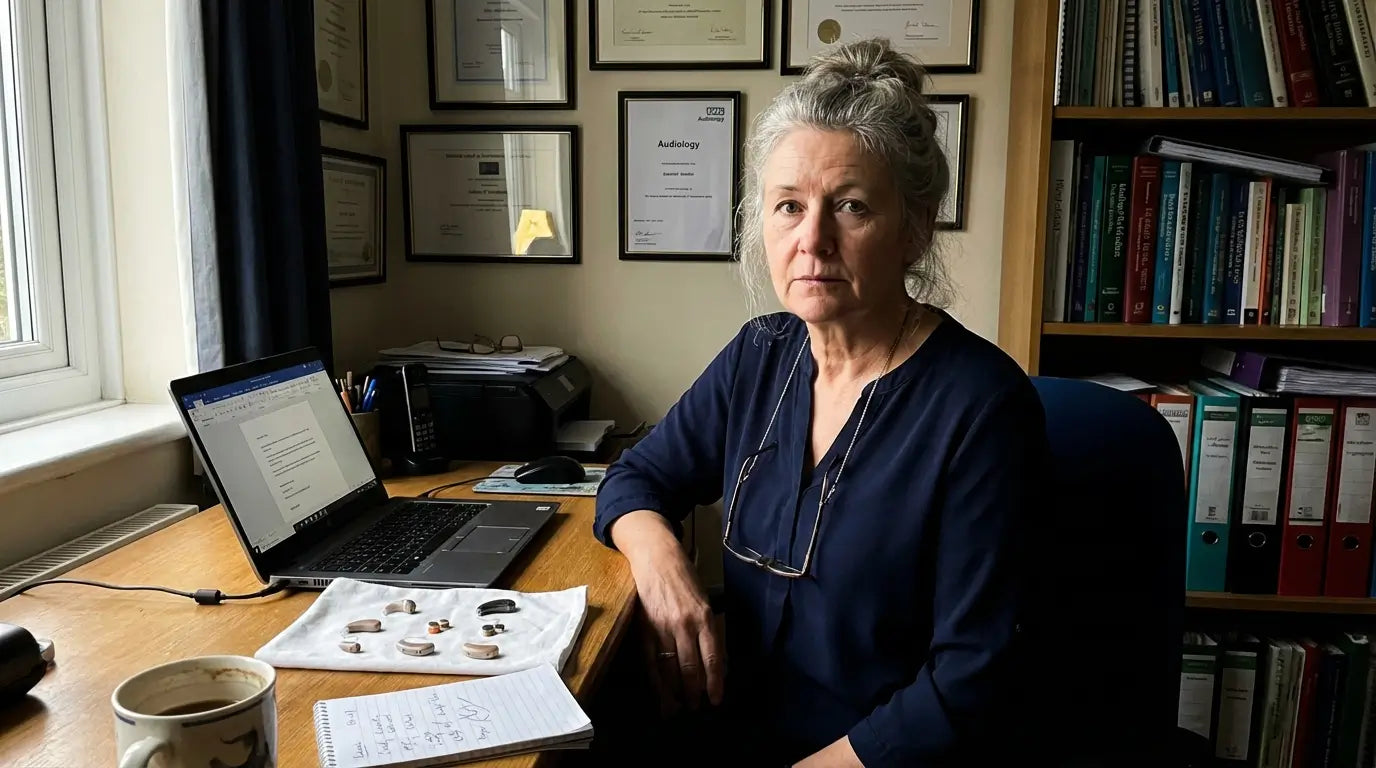
Tech Analyst Reviews Every UK Hearing Aid Option, and Reveals What She'd Actually Recommend
From free NHS devices to £3,000 private clinics and £40 Amazon amplifiers: an audio-electronics analyst takes them apart.
Read the full review →
A curated collection of long-form stories to settle into. Drag or use the arrows →

Google trained a version of its Gemini model to read a month of wearable data and coach people on sleep and fitness. The results are impressive in places, and instructive in others.

In 1952 a machine at Bell Labs could recognise the digits zero to nine, spoken by one man. Seventy years on, software transcribes almost anyone, in almost any language. Almost is the interesting part.
Rings and watches now score our nights down to the minute of REM. A new study suggests your own morning verdict still carries information the sensors miss.

Elephants rumble below our hearing, bats shout above it, and blue whales have been singing steadily lower for sixty years. A tour of the sounds we cannot hear, and of the remarkable organ that hears the rest.

Friendship is usually filed under pleasure, not health. Eight decades of research, and a new warning from the World Health Organization, suggest it belongs in both.

A study of nearly 46,000 older Britons wearing wrist trackers finds that more brisk activity goes with sharper thinking and fuller brains, and hints that the time of day may matter too.

Einstein predicted them, doubted them and assumed we would never detect them. A century later we hear hundreds of cosmic collisions, have traced the gold in our jewellery to colliding stars, and are building an observatory millions of kilometres wide.
Begin reading · 11 minutesSix departments, one curious magazine.