What Actually Happens to Your Body When You Sit All Day?
Hours in a chair do more than stiffen the back. They quietly change how your muscles handle sugar and fat, and the remedy turns out to be smaller and more frequent than you might think.
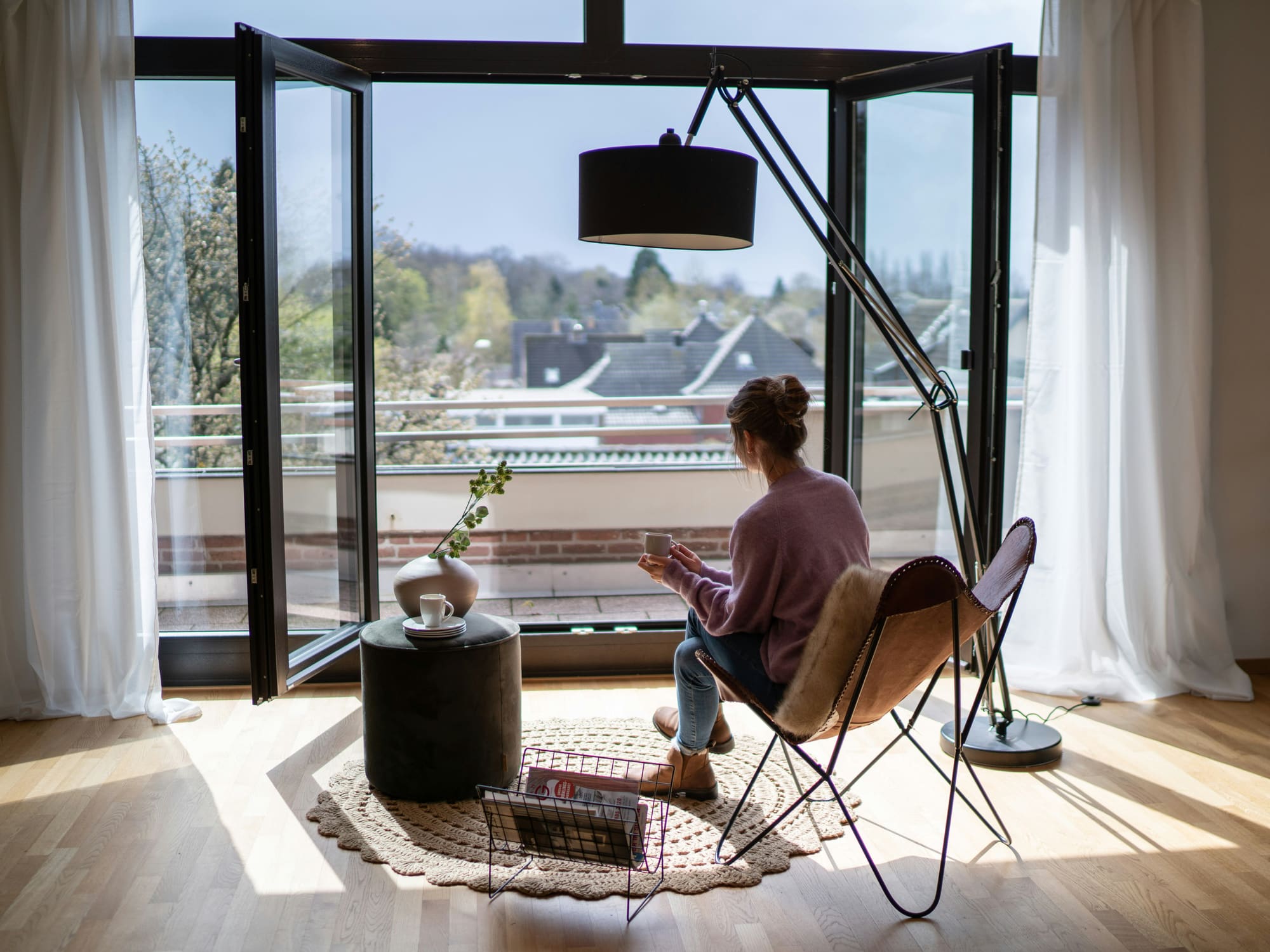
Count the chairs in your day. The one at breakfast, the car or train seat, the desk, the dinner table, the sofa that receives you at nine o'clock and does not let go until bedtime. According to the NHS, many adults in the UK sit for more than seven hours a day, and people over 65 spend ten hours or more sitting or lying down, which makes them the most sedentary age group of all.
None of this feels dangerous. Sitting is restful by definition. Yet over the past two decades physiologists have shown that a body held still for hours is not simply idling. It is behaving differently, and some of those differences show up in the blood within a single afternoon.
The quiet muscles
Your muscles are the largest lean tissue in the body, and when they contract they draw sugar and fat out of the bloodstream to burn. When they stop contracting, much of that demand switches off.
Marc Hamilton, a physiologist now at the University of Houston, spent years studying an enzyme called lipoprotein lipase, which sits in the tiny blood vessels of muscle and helps break down fats circulating in the blood. In experiments on rats whose normal standing and ambling was restricted, the activity of this enzyme in the most oxidative leg muscles fell by roughly 90 per cent compared with active animals. Light, everyday movement was enough to prevent the drop. In a 2007 review in Diabetes, Hamilton and colleagues reported that taking away ordinary standing and walking had a much larger effect on this enzyme than adding vigorous exercise on top of normal activity. They proposed that too much sitting deserves to be studied in its own right, as "inactivity physiology", rather than treated as merely the absence of exercise.
Those enzyme studies were in animals, and humans are more complicated. But the same principle has been tested in people, with striking results.
What one afternoon can show
In 2012 David Dunstan and colleagues at the Baker Heart and Diabetes Institute in Melbourne asked 19 overweight or obese adults aged 45 to 65 to spend three separate days in the laboratory. On one day they sat without interruption. On the others, after an initial two hours of sitting and a standardised sugary drink, they got up every 20 minutes for a two-minute walk, either at a gentle pace or a brisker one.
The difference was clear within hours. Compared with unbroken sitting, the glucose response after the drink was about a quarter lower with the gentle walking breaks, and the insulin response was lower by a similar margin. Two minutes of strolling every 20 minutes was enough.
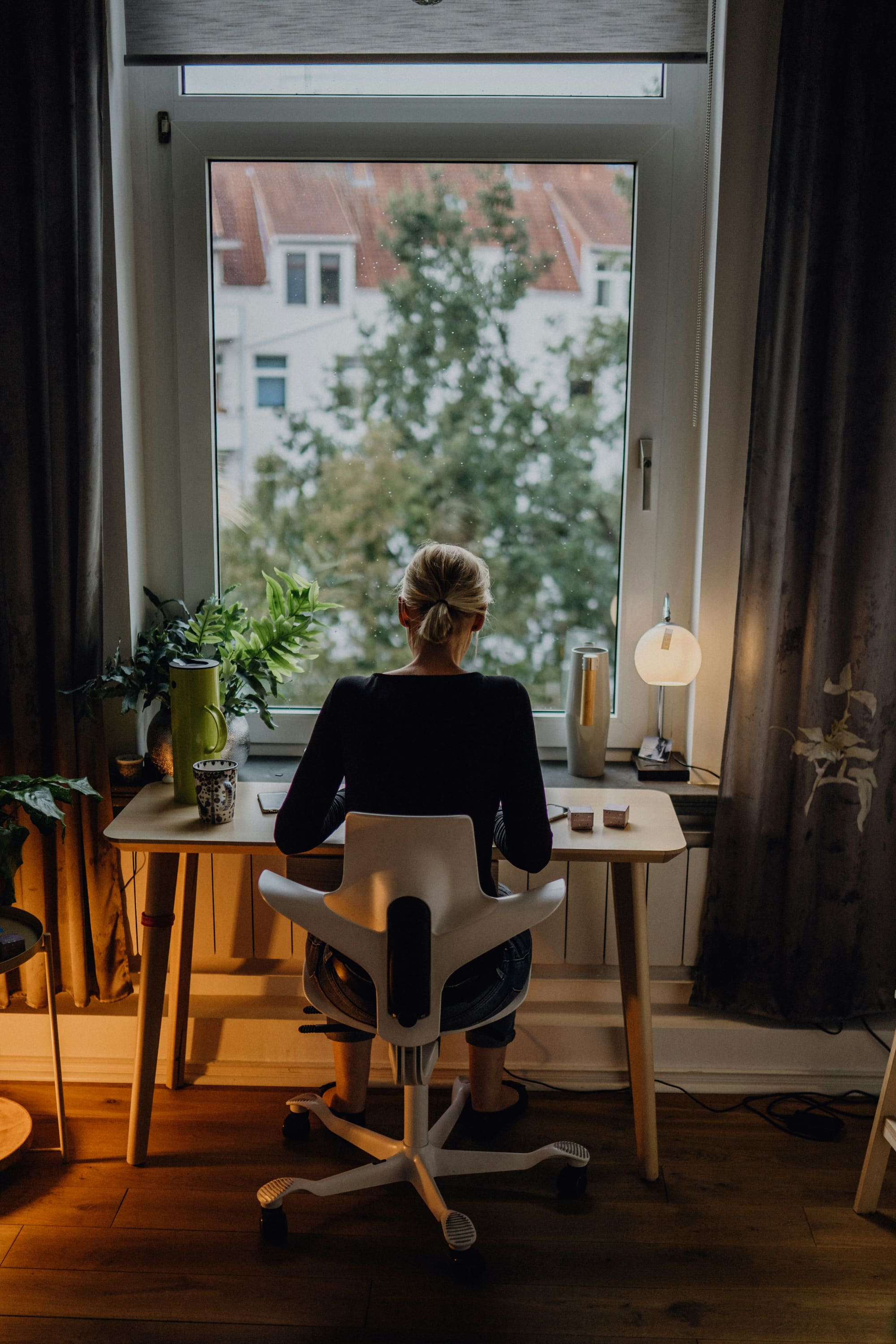
A later trial from Columbia University tried to pin down the dose. Keith Diaz's team had 11 middle-aged and older adults sit for eight hours on five separate days, interrupting their sitting with light walking on four of them, at different frequencies and durations. Only one pattern, five minutes of walking every 30 minutes, significantly blunted the rise in blood sugar after meals. Every walking pattern, however, lowered systolic blood pressure compared with sitting all day, with drops of around four to five millimetres of mercury for the best schedules. The study was small and carried out in a lab, but it hints that blood pressure responds to modest movement and blood sugar asks for a little more.
A body held still for hours is not simply idling. It is behaving differently.
There is an even more economical version. In 2022 Hamilton's group described a seated movement they call the soleus push-up, a rhythmic lifting of the heel that works the soleus, a deep calf muscle making up only about 1 per cent of body mass. In their volunteers, sustained activity of this one small muscle cut the post-meal rise in blood glucose by 52 per cent and excess insulin by 60 per cent. It is a promising finding, though worth noting that the authors are developing tools to teach the movement and their university intends to patent related work.
A million people and an hour a day
Laboratory studies show what happens over hours. The bigger question is what happens over years.
In 2016 The Lancet published one of the most important papers on the subject, led by Ulf Ekelund of the Norwegian School of Sport Sciences and the University of Cambridge's MRC Epidemiology Unit. The team pooled data from 16 studies covering more than a million men and women, followed for between two and 18 years, during which 84,609 people died.
The findings were both sobering and encouraging. Among the least active people, those who sat for more than eight hours a day had a death rate 59 per cent higher during follow-up than very active people who sat for less than four hours. But among the most active quarter, roughly 60 to 75 minutes of moderate activity a day, long sitting was not linked to any increase in risk at all. Interestingly, people who sat little but were also the least active still had a higher risk, a reminder that sitting less is not a substitute for moving more.
Television was the exception. Watching three or more hours a day was linked to higher mortality in most groups, and even the most active people showed a raised risk once viewing reached five hours a day. The data cannot say why. One plausible explanation is that television tends to mean long, unbroken stretches of stillness, often in the evening, which is exactly the pattern the laboratory studies single out.
These were observational studies, so they show associations rather than proof of cause. Still, the size of the dataset and the consistency of the pattern have made it a cornerstone of public health advice.
Getting up, little and often

The World Health Organization's 2020 guidelines recommend 150 to 300 minutes of moderate activity a week for adults, along with reducing sedentary time, although the evidence was not strong enough to set a precise limit on daily sitting. The NHS is plain about it: meeting the weekly activity target does not fully undo the effects of sitting for the rest of the time.
In practice, that suggests a two-part approach. Build some genuinely brisk activity into the week, and break up long sitting whenever you can. Stand during phone calls. Walk to the kettle the long way. Get up at each advert break, or at the end of each chapter. If you watch a film, pause it halfway and walk round the garden. Set a gentle reminder every half hour if you work at a desk. None of these needs special kit, and the laboratory studies suggest each one is doing more good than it looks.
If you have a heart condition, diabetes, joint problems or limited mobility, it is worth speaking to your GP before changing your routine, and wheelchair users should ask about forms of movement suited to them. For most people, though, the message from a million participants and a handful of patient volunteers is reassuringly simple. The chair is not the enemy. Staying in it is.
Sources & further reading
- Ekelund U, et al. Does physical activity attenuate, or even eliminate, the detrimental association of sitting time with mortality? The Lancet, 2016
- Dunstan DW, et al. Breaking up prolonged sitting reduces postprandial glucose and insulin responses. Diabetes Care, 2012
- Duran AT, et al. Breaking up prolonged sitting to improve cardiometabolic risk: dose-response analysis of a randomized crossover trial. Medicine & Science in Sports & Exercise, 2023
- Hamilton MT, Hamilton DG, Zderic TW. Role of low energy expenditure and sitting in obesity, metabolic syndrome, type 2 diabetes, and cardiovascular disease. Diabetes, 2007
- Zderic TW, Hamilton MT. Physical inactivity amplifies the sensitivity of skeletal muscle to the lipid-induced downregulation of lipoprotein lipase activity. Journal of Applied Physiology, 2006
- Hamilton MT, et al. A potent physiological method to magnify and sustain soleus oxidative metabolism improves glucose and lipid regulation. iScience, 2022
- Bull FC, et al. World Health Organization 2020 guidelines on physical activity and sedentary behaviour. British Journal of Sports Medicine
- NHS: Exercise and why sitting too much is bad for us
This article is for general information and is not a substitute for personal medical advice. If you have concerns about your health, please speak to your GP or a qualified professional.