Science
What Happens When Two Black Holes Collide?
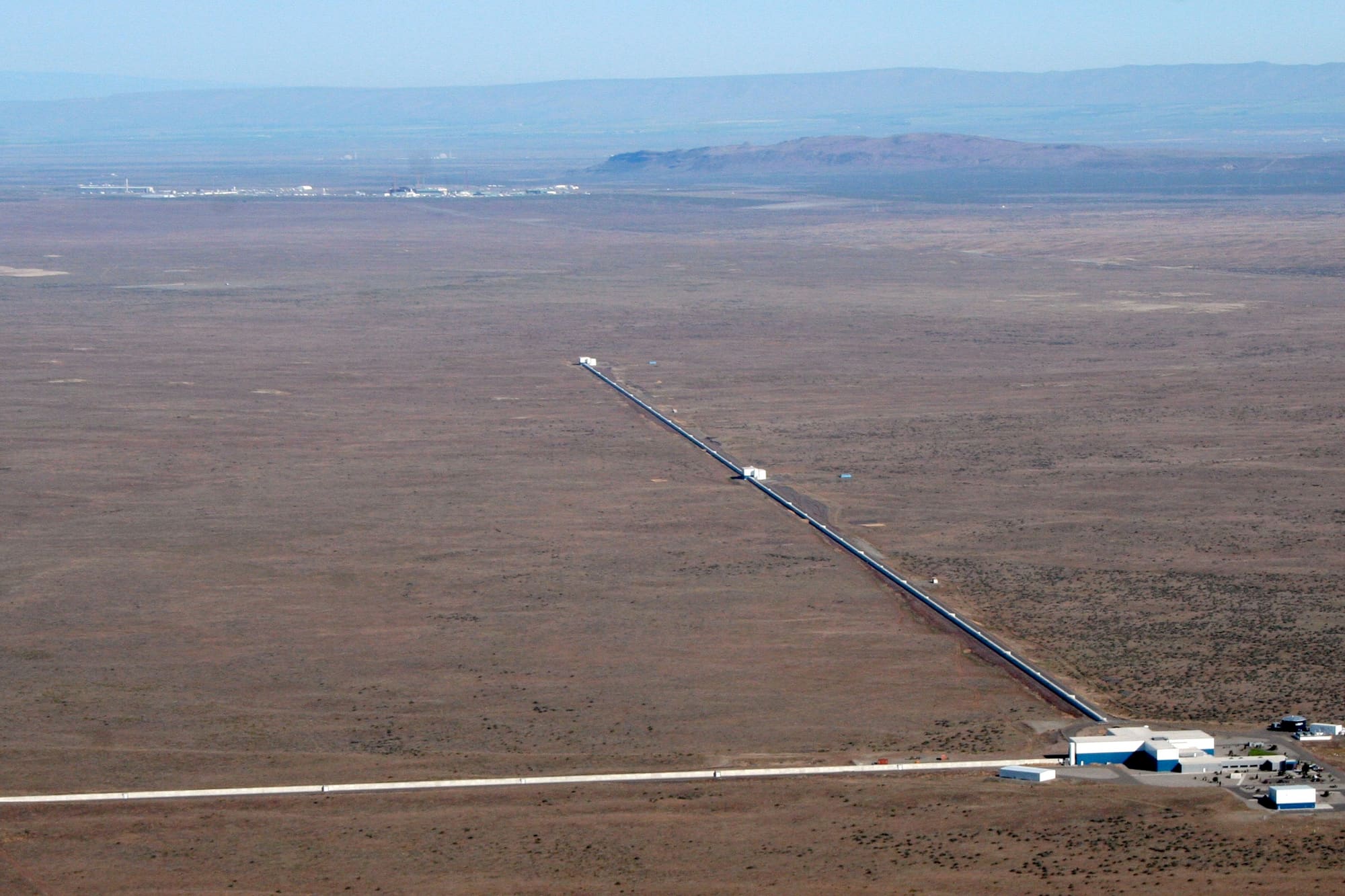
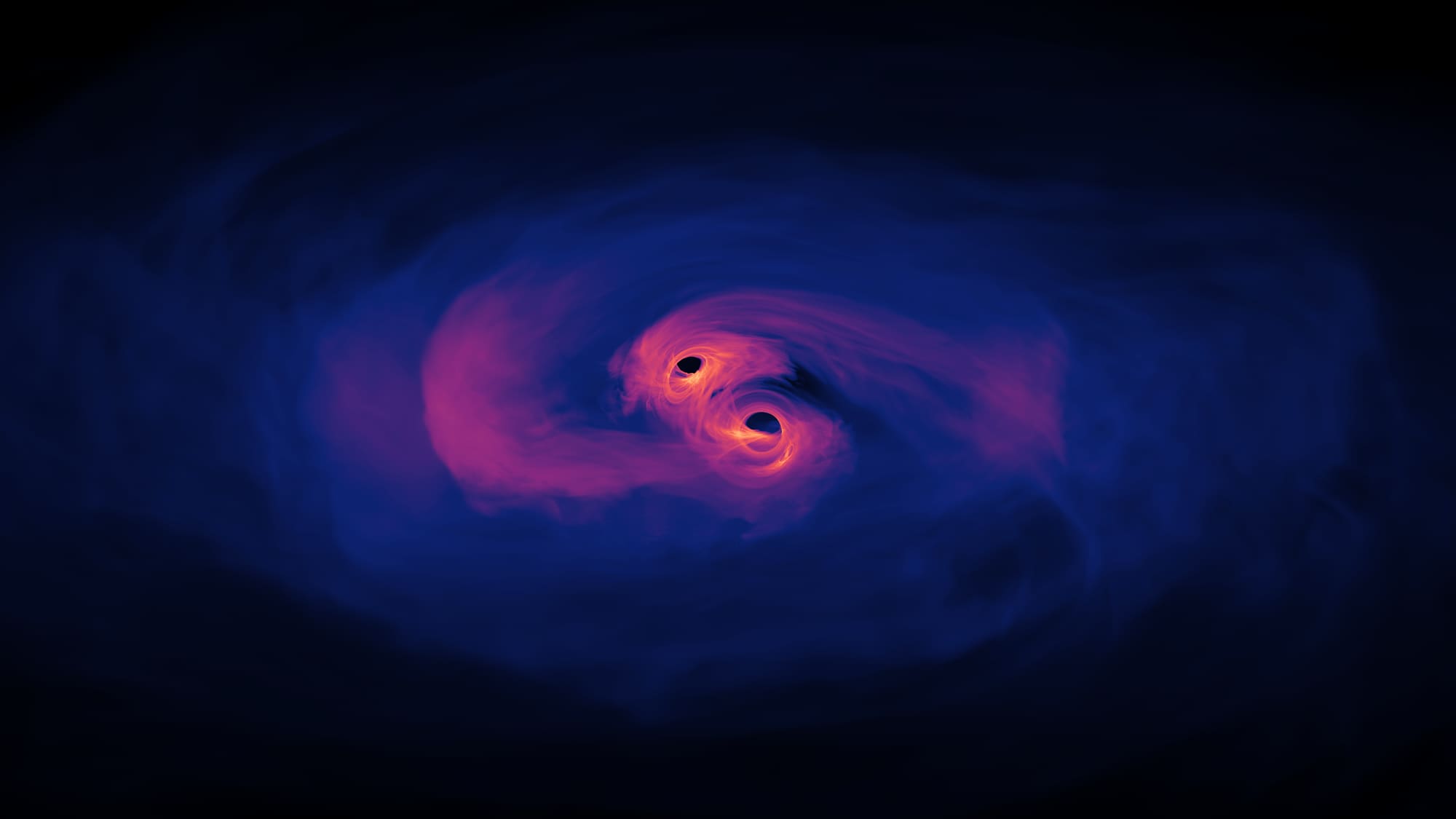
In a fraction of a second, two dark giants become one and turn the mass of several suns into pure trembling of space. Here is how it unfolds, and what three remarkable signals have taught us.
A little more curious, every day.
Black holes, dark energy, ripples in spacetime: the strange, beautiful physics of the universe we live in.
8 storiesIn a fraction of a second, two dark giants become one and turn the mass of several suns into pure trembling of space. Here is how it unfolds, and what three remarkable signals have taught us.
Einstein predicted them, doubted them and assumed we would never detect them. A century later we hear hundreds of cosmic collisions, have traced the gold in our jewellery to colliding stars, and are building an observatory millions of kilometres wide.
For more than a quarter of a century, the force pushing the universe apart was assumed to be utterly constant. A giant galaxy map and a new multi-model analysis suggest it may be changing, and the mystery of how fast the cosmos is expanding refuses to go away.
From the folds of the outer ear to a living amplifier coiled inside the skull, hearing is a chain of mechanical marvels that turns a ripple of air into meaning in a fraction of a second.
Your head is ageing faster than your feet, the satellites in your phone’s sky run fast, and the early universe plays out in slow motion. A century after Einstein, clocks have caught him being right at every scale.
When a gravitational-wave alert goes out, telescopes around the world have minutes to decide whether to chase it. A machine-learning system called GWSkyNet-II now helps them tell a cosmic collision from a hiccup in the detector.
Strike a black hole and it rings like a bell, with a deep note, fading overtones and, a new study shows, the occasional strange duet in which two notes become one.
Elephants rumble below our hearing, bats shout above it, and blue whales have been singing steadily lower for sixty years. A tour of the sounds we cannot hear, and of the remarkable organ that hears the rest.