Seven Small Habits That Make Healthy Ageing Easier
No miracle cures here, just seven modest, well-evidenced habits that help keep bodies steady, minds sharp and lives full as the years add up.
In 1990 a team in Boston led by Maria Fiatarone tried something that might have struck many doctors as reckless. They put ten frail residents of a long-term care facility, with an average age of 90, on a programme of high-intensity strength training for their legs. After eight weeks, the nine people who completed it had increased their strength by an average of 174 per cent. Their walking speed improved too. Nobody was harmed.
That small study, published in JAMA, carried a big message that has only grown stronger since: the body keeps responding to what we ask of it, at almost any age. Healthy ageing is not mainly about luck or genes, nor about grand reinventions. It is largely built from small things, done often. Here are seven that the evidence supports.
1. Walk a little further than yesterday
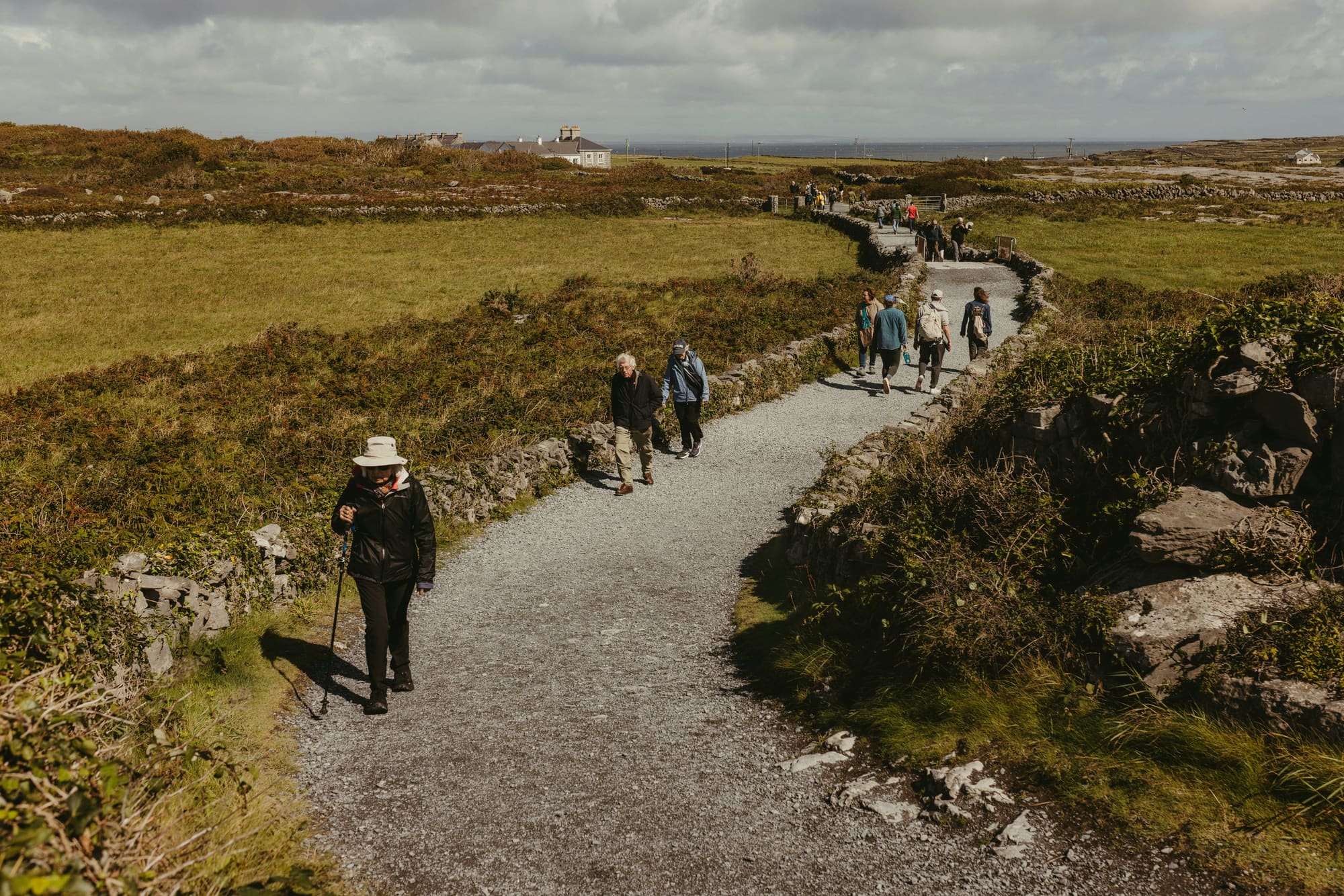
Walking remains the simplest foundation. A large 2025 review in The Lancet Public Health, led by Melody Ding at the University of Sydney, found that people taking about 7,000 steps a day had a markedly lower risk of early death, dementia and falls than those taking 2,000, with much of the benefit arriving between 5,000 and 7,000 steps. These are associations rather than proof, but they are consistent across dozens of studies.
The NHS advises older adults to be active in some way every day and to build up to 150 minutes of moderate activity a week. A brisk walk, where you can talk but not sing, counts.
2. Ask your muscles for something
Muscle quietly dwindles with age if it is not used, and with it goes the ability to climb stairs, carry shopping and get up from a low chair. The NHS recommends activities that build strength on at least two days a week for adults of all ages.
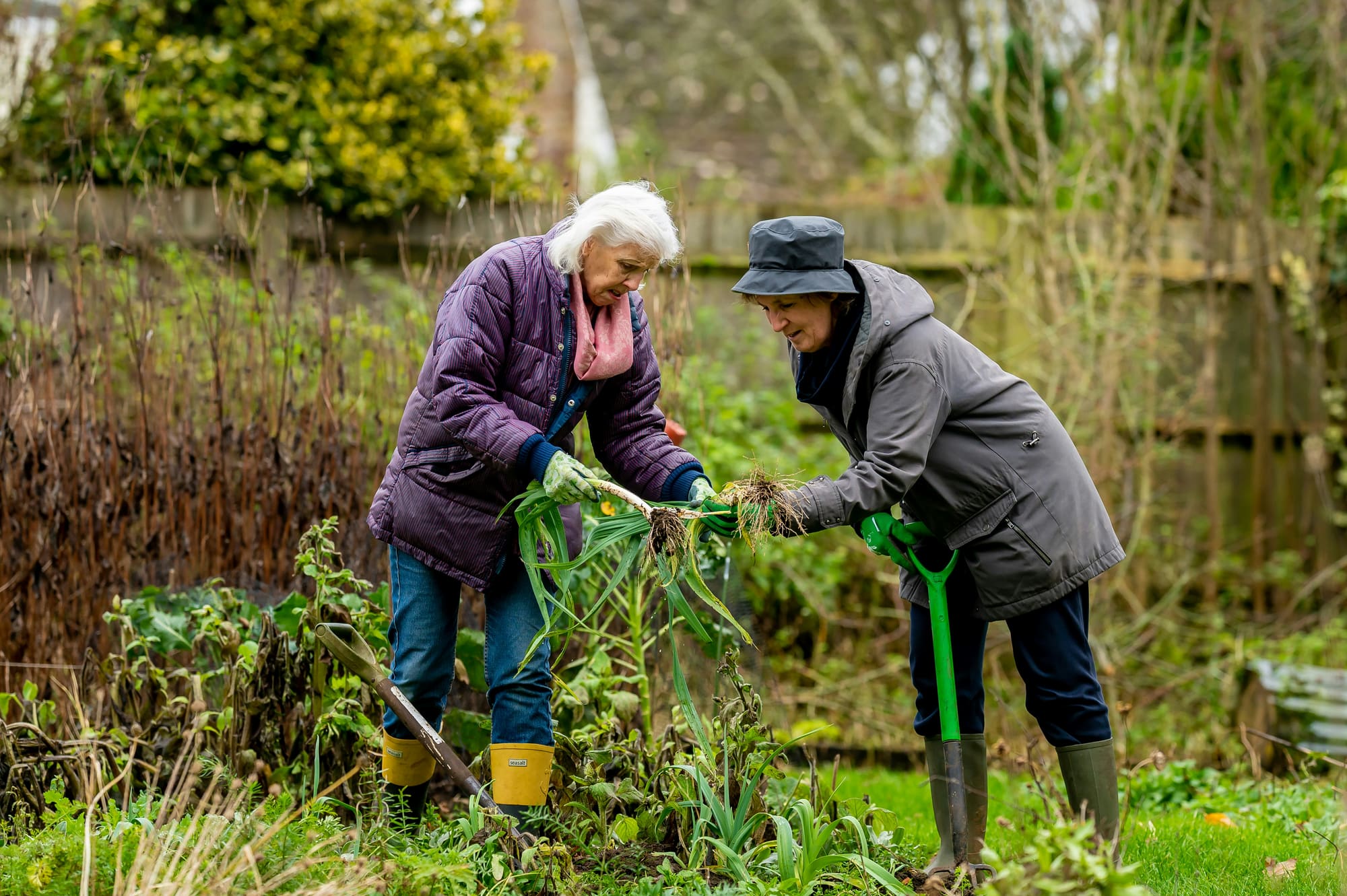
This need not mean a gym. Standing up and sitting down from a chair without using your hands, carrying heavy bags of compost, heavy gardening, or working with resistance bands all count. Fiatarone's nonagenarians are the reminder: it is rarely too late to start, though it is wise to begin gently and check with your GP if you have a health condition.
3. Practise standing on one leg
Around a third of people aged 65 and over, and around half of those over 80, fall at least once a year, according to NICE. Falls are a leading reason older people lose their independence.
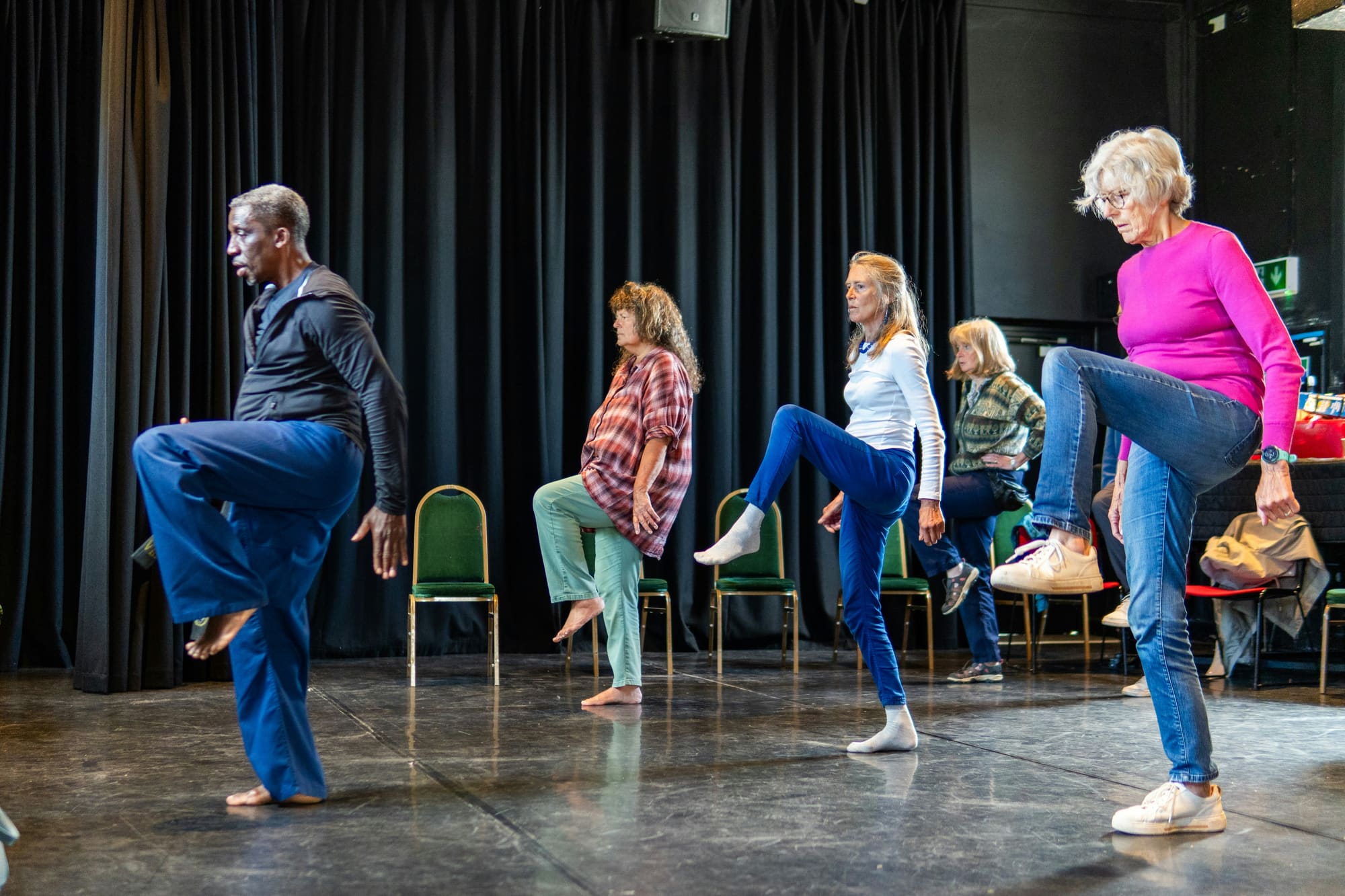
Balance, happily, is trainable. A major Cochrane review led by Catherine Sherrington, covering more than 100 trials, found high-certainty evidence that exercise reduces falls in older people living at home. Programmes that focused on balance and functional movements cut the rate of falls by about a quarter. Tai chi showed benefit too. A simple start is to stand on one leg while the kettle boils, holding the worktop if you need to.
4. Get your hearing and eyes checked
This is the habit people most often put off, and it may matter more than they think. The 2024 Lancet Commission on dementia, which identified 14 modifiable risk factors that together may account for nearly half of dementia cases, named hearing loss as one of the two biggest single factors. Untreated vision loss was added to the list for the first time. The Commission recommends that hearing aids be available to everyone who needs them.
There is some trial evidence too. The ACHIEVE study, published in The Lancet in 2023, gave adults aged 70 to 84 with untreated hearing loss either a hearing intervention or health education. Overall, the hearing intervention did not slow cognitive decline over three years. But among a group of participants at higher risk of decline, it appeared to slow it substantially, a finding researchers say needs further study. The NHS also notes that eye and ear problems can affect balance, which links this habit back to falls.
5. Protect your sleep
Sleep tends to become lighter and more broken with age, but it still matters. In the Whitehall II study of British civil servants, people who slept six hours or less at ages 50 and 60 had a higher risk of developing dementia later than those who slept around seven hours. That does not prove short sleep causes dementia, and the researchers said as much. But regular sleep is one of the easier risk factors to work on.
The NHS suggests keeping regular bed and wake times, keeping the bedroom dark, quiet and cool, and cutting back on caffeine and alcohol in the evening. If poor sleep lasts for months, a GP can help, and talking therapies are often offered before tablets.
The body keeps responding to what we ask of it, at almost any age.
6. Keep good company
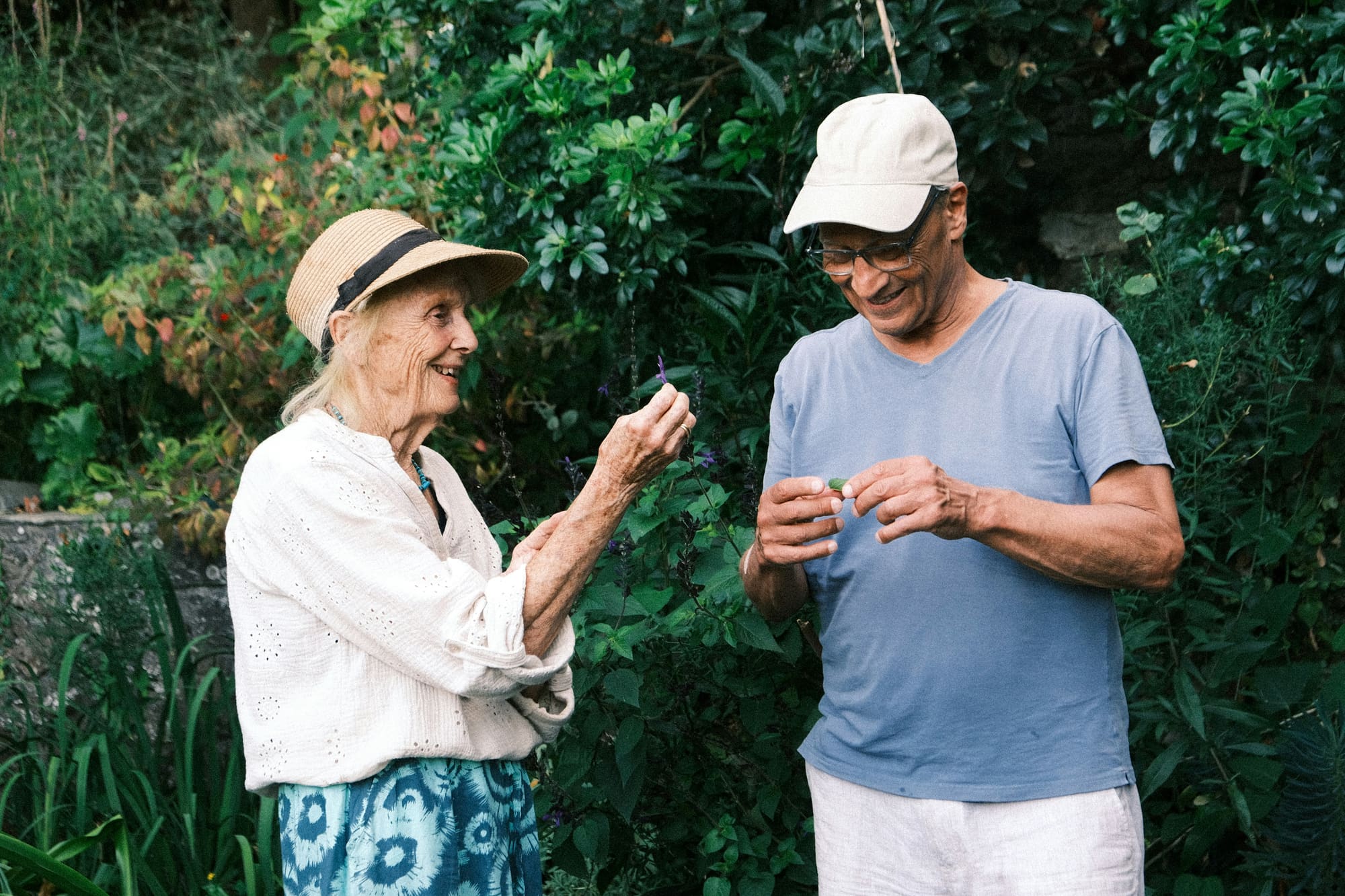
In a landmark 2010 analysis, Julianne Holt-Lunstad at Brigham Young University pooled 148 studies covering more than 300,000 people. Those with stronger social relationships had about a 50 per cent greater likelihood of survival over the follow-up period than those with weaker ties. The authors concluded that the effect was comparable to that of well-established risk factors for mortality.
Social isolation is also on the Lancet Commission's list of dementia risks. Friendships, clubs, volunteering, choirs and regular phone calls are not luxuries. They appear to be part of the infrastructure of a healthy old age.
7. Think kindly about getting older
The last habit is the least tangible, and possibly the most surprising. In 2002 Becca Levy and colleagues at Yale examined 660 people aged 50 and over from a small Ohio town who had answered questions about their attitudes to ageing up to 23 years earlier. Those with more positive views of their own ageing lived on average 7.5 years longer than those with more negative views. The advantage held after accounting for age, sex, income, loneliness and health.
This was an observational study, and attitudes are bound up with circumstances. But Levy's later work suggests that ageist beliefs, absorbed over a lifetime, can shape how people respond to stress and how much they invest in their own health. Noticing those assumptions, and questioning them, is a habit worth forming.
None of these seven habits requires money, equipment or heroic willpower, and each one makes the others easier. Better balance makes walking safer. Walking helps sleep. Good hearing makes company more enjoyable. If you have a long-term condition or are unsure where to start, your GP or practice nurse is a good first call.
Sources & further reading
- Fiatarone MA et al. High-intensity strength training in nonagenarians. JAMA, 1990 (PubMed)
- Ding D et al. Daily steps and health outcomes in adults. The Lancet Public Health, 2025
- NHS: Physical activity guidelines for older adults
- NHS: Falls
- NICE: New guideline will help cut falls and related hospital admissions (2025)
- Cochrane: New review assesses benefits and harms of exercise for preventing falls in older people
- Alzheimer Europe: 2024 Lancet Commission identifies 14 modifiable risk factors
- UCL: Lack of sleep in middle age linked to dementia risk (2021)
- Holt-Lunstad J et al. Social relationships and mortality risk: a meta-analytic review. PLoS Medicine, 2010
- APA: Positive self-perceptions of aging linked to longer life (2002)
This article is for general information and is not a substitute for personal medical advice. If you have concerns about your health, please speak to your GP or a qualified professional.