The Science Behind a Better Morning Routine
Cold plunges and 5am alarms make for good videos. The evidence points somewhere quieter: daylight, a steady wake time, and a healthy scepticism about morning myths.
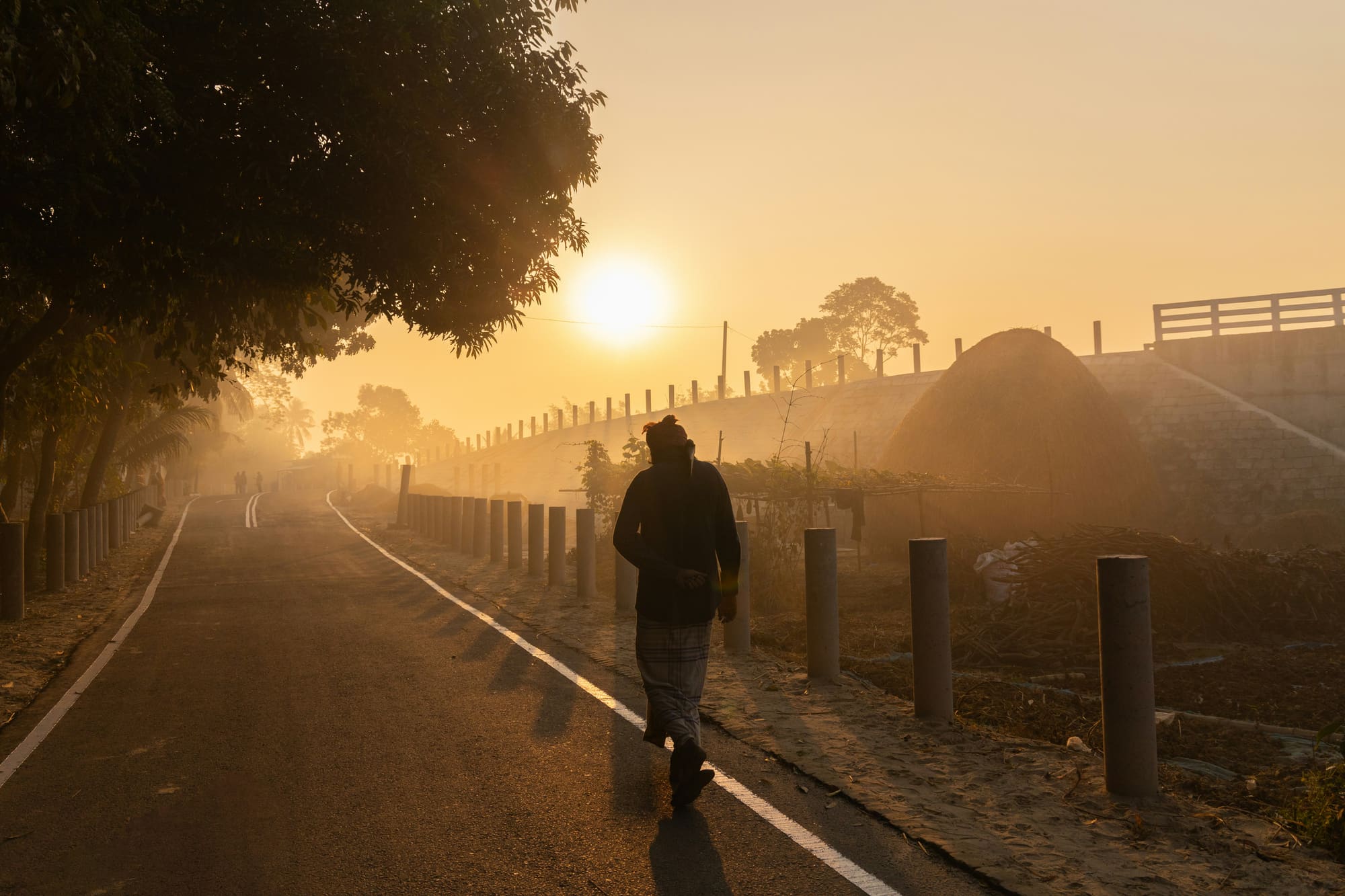
The morning routine has become a genre of its own. Online, successful people rise before dawn, plunge into icy water, drink precisely measured glasses of lemon water and journal their way to greatness before most of us have found our slippers.
Some of it may help. Much of it is untested. But beneath the noise there is a real and fascinating science of the morning, rooted in the body's internal clock. It suggests that the most useful things you can do after waking are surprisingly modest, and that a few cherished rules deserve to be retired.
The clock that needs setting each day
Almost every tissue in the human body runs on a roughly 24-hour rhythm, governing when we feel sleepy, when hormones are released, how we digest food and even how body temperature rises and falls. According to the US National Institutes of Health, these rhythms are coordinated by a master clock in the brain, a cluster of nerve cells called the suprachiasmatic nucleus, which sits just above the point where the optic nerves cross.
That position is no accident. The master clock takes its main cue from light reaching the eyes. Left to itself, the human clock does not run at exactly 24 hours, so it needs resetting daily, and light is the reset button. In the evening, as light fades, the clock signals the brain to release more melatonin, the hormone that prepares us for sleep.
Modern life scrambles that signal. In a much-discussed 2013 study in Current Biology, Kenneth Wright at the University of Colorado Boulder fitted eight volunteers with wrist monitors during a normal week of work, school and electric light, then sent them camping in the Rocky Mountains with only sunlight and campfires. During their ordinary week, their internal clocks ran around two hours later than during the camping trip, judged by the timing of melatonin release. Out in natural light, their body clocks lined up neatly with sunrise and sunset.
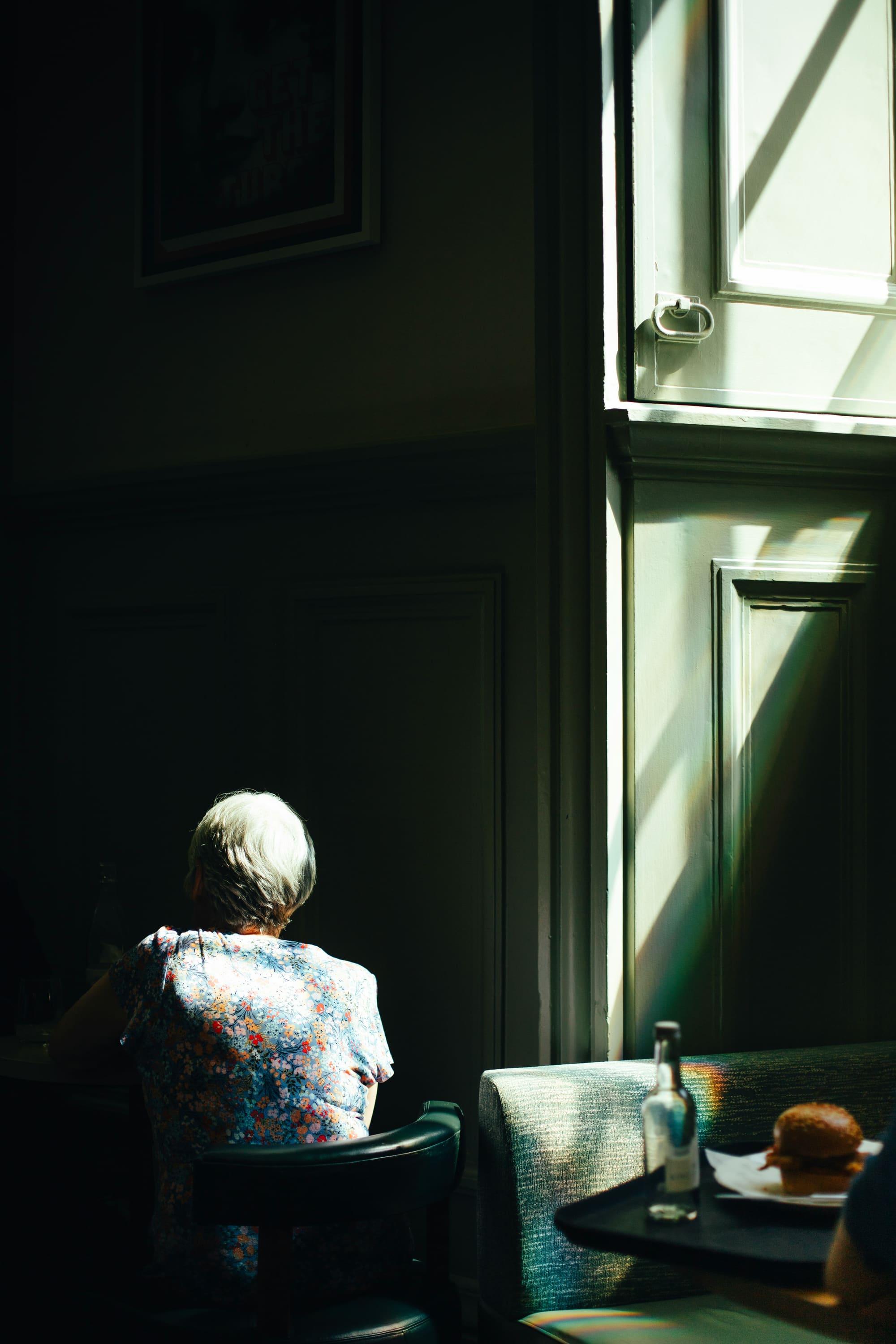
The effects may reach mood as well as sleep. A large study published in Nature Mental Health in 2023, led by researchers at Monash University, used light sensors worn on the wrist by more than 86,000 UK Biobank participants. People exposed to more daytime light had a lower risk of depression, while brighter light at night was linked to a higher risk of several psychiatric conditions. The study was observational, so it cannot prove cause and effect. But its message aligns with the camping study: bright days and dark nights appear to suit us.
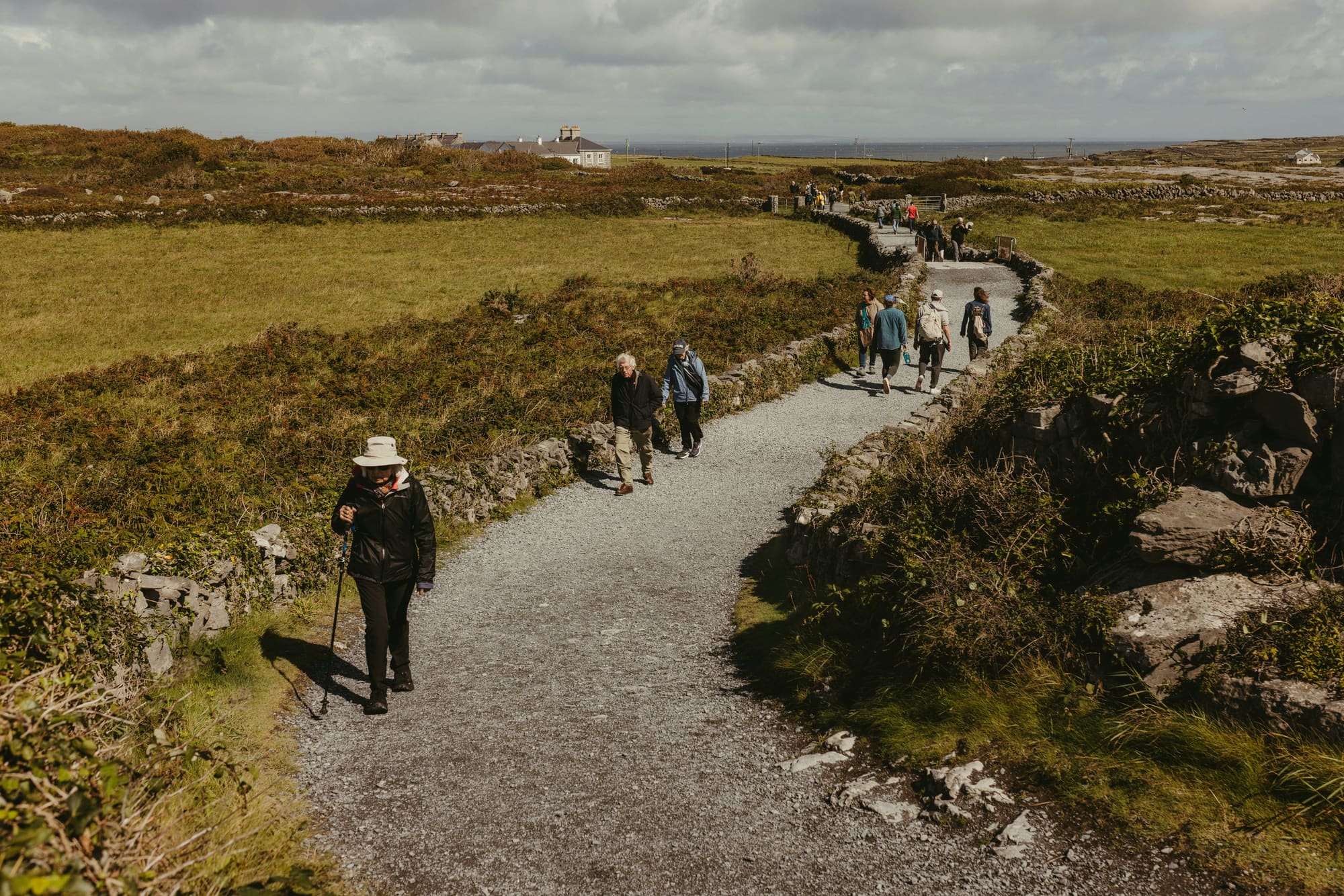
The practical upshot is simple. Wright's volunteers, living normally, got less sunlight by day and more light after dark than they did in the mountains. Reversing that is the aim: get outside, or at least close to a window, soon after waking, and let the evenings grow dim.
The morning surge you already have
Many routines promise to "boost" energy on waking. The body, it turns out, already has its own system for that. In most people, levels of the hormone cortisol rise sharply in the first 30 to 45 minutes after waking, a phenomenon known as the cortisol awakening response. A review in Sleep Medicine Reviews describes typical increases of about 38 to 75 per cent, peaking around half an hour after opening our eyes.
The most useful things you can do after waking are surprisingly modest.
Cortisol has a poor reputation as a "stress hormone", but this morning rise is a normal part of a healthy daily rhythm, helping to mobilise energy for the day ahead. Researchers have spent years studying it as a marker of how people respond to stress, and an international expert group has published detailed guidelines on how it should be measured. It is not something you need to hack, flatten or time your coffee around. A steady sleep and wake schedule is the best way to keep it working as it should.
Water, breakfast and other morning myths
Then there is the glass of water by the bed. The advice to drink "eight glasses a day" has proved remarkably durable. Yet in 2022 a study in Science, led by Yosuke Yamada at Japan's National Institutes of Biomedical Innovation, Health and Nutrition, measured water turnover in more than 5,600 people from over 20 countries using isotope-labelled water. Daily turnover varied enormously, from about one litre to six, depending on size, activity, climate and age. One of the co-authors noted that the eight-glass rule had never been well supported, partly because it confused total water needs with drinks, ignoring the water we get from food.
The NHS guide is more relaxed: about six to eight cups or glasses of fluid a day, and tea, coffee and lower-fat milk all count. A simple check is the colour of your urine, which should be pale. Older adults are at greater risk of dehydration, so a drink with breakfast is sensible. It is just not magic.
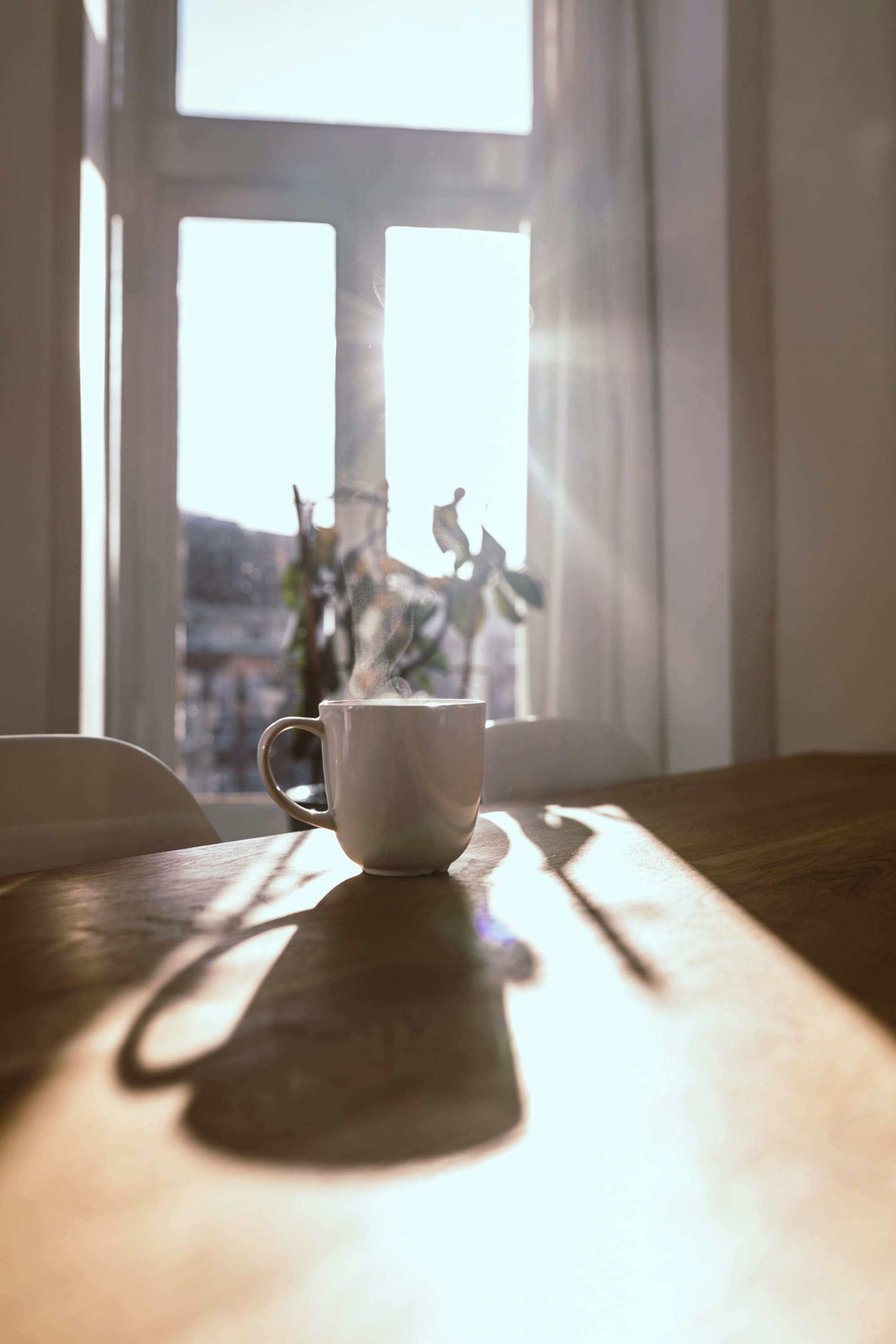
Breakfast has had a similar promotion to "the most important meal of the day". The Bath Breakfast Project, a randomised trial led by James Betts at the University of Bath and published in 2014, tested the idea in 33 lean adults over six weeks. Eating breakfast did not speed up resting metabolism, contrary to popular belief. Breakfast eaters did take in more calories, but they also tended to be more physically active in the morning, and their blood sugar was steadier later in the day. Whether you eat early, in other words, is more a matter of what suits you than a metabolic necessity.
What about morning exercise? A 2022 systematic review published by the Public Health Agency of Canada examined 35 studies on the timing of physical activity. Eleven found that morning activity brought greater benefits than afternoon or evening activity. Twelve found the reverse. The authors rated the overall quality of evidence as very low. The best time to exercise, for now, is whichever time you will actually stick to.
A routine built for real life
Put together, the science suggests a routine that would make a poor viral video and an excellent foundation. Wake at a consistent time. Seek out daylight early, ideally with a walk. Drink something. Eat breakfast if you are hungry. Save your dimmest light for the evening.
If you struggle with persistent low mood in the darker months, or wake feeling unrefreshed however long you sleep, it is worth speaking to your GP rather than adding another ritual. For everyone else, the good news is that the best morning routine may already be within reach. It begins by opening the curtains.
Sources & further reading
- NIH National Institute of General Medical Sciences: Circadian rhythms
- Wright KP et al. Entrainment of the human circadian clock to the natural light-dark cycle. Current Biology, 2013
- Burns AC et al. Low daytime light and bright night-time light are associated with psychiatric disorders (preprint of the Nature Mental Health study)
- Elder GJ et al. The cortisol awakening response: applications and implications for sleep medicine. Sleep Medicine Reviews, 2014
- Stalder T et al. Assessment of the cortisol awakening response: expert consensus guidelines. Psychoneuroendocrinology, 2016
- University of Wisconsin–Madison: Stop counting cups, there's an ocean of difference in our water needs (2022)
- NHS: Water, drinks and your health
- NHS: Dehydration
- Betts JA et al. The causal role of breakfast in energy balance and health. American Journal of Clinical Nutrition, 2014
- Timing of physical activity within the 24-hour day and its influence on health: a systematic review. Health Promotion and Chronic Disease Prevention in Canada, 2022
This article is for general information and is not a substitute for personal medical advice. If you have concerns about your health, please speak to your GP or a qualified professional.