What Your Sleep Tracker Knows, and What It Doesn’t
Rings and watches now score our nights down to the minute of REM. A new study suggests your own morning verdict still carries information the sensors miss.
You wake, reach for your phone, and before you have decided how you feel, a number has decided for you. Sleep score: 68. Deep sleep: below your usual range. Suddenly the morning seems heavier than it did a moment ago.
Consumer sleep trackers have become remarkably sophisticated, and remarkably persuasive. But what are they actually measuring? How close do they come to the laboratory gold standard? And does all that data tell you anything you could not have worked out by simply noticing how you feel? A recent study from researchers in Japan, Germany, Denmark and Australia offers a surprisingly nuanced answer.
How a ring reads the night
In a sleep laboratory, the gold standard is polysomnography. Electrodes on the scalp record brain waves, others track eye movements and muscle tone, and a trained technician scores the night in 30-second slices as wake, light sleep, deep sleep or REM, the stage most associated with vivid dreaming. It is thorough, expensive and rather unlike sleeping at home.
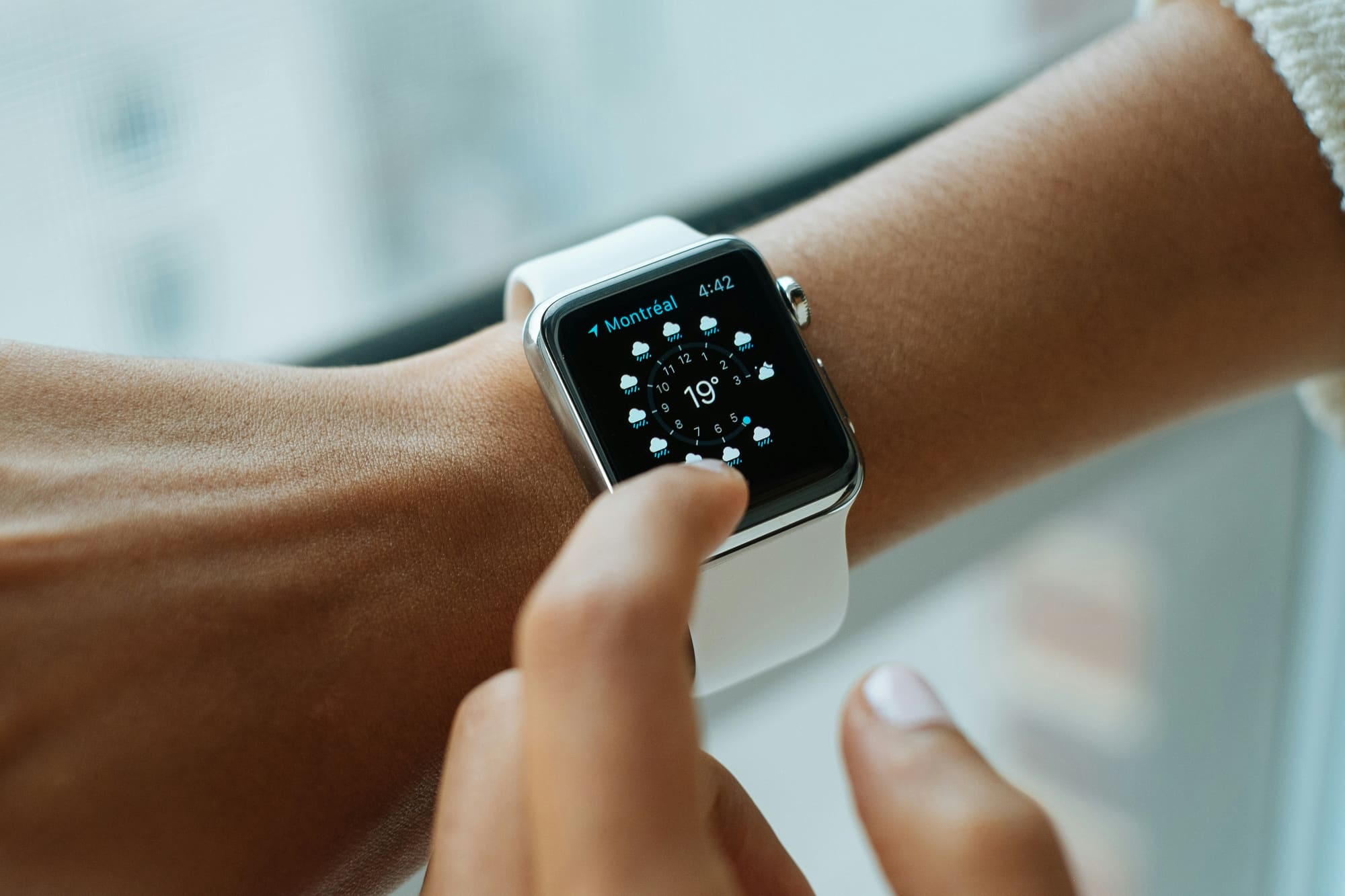
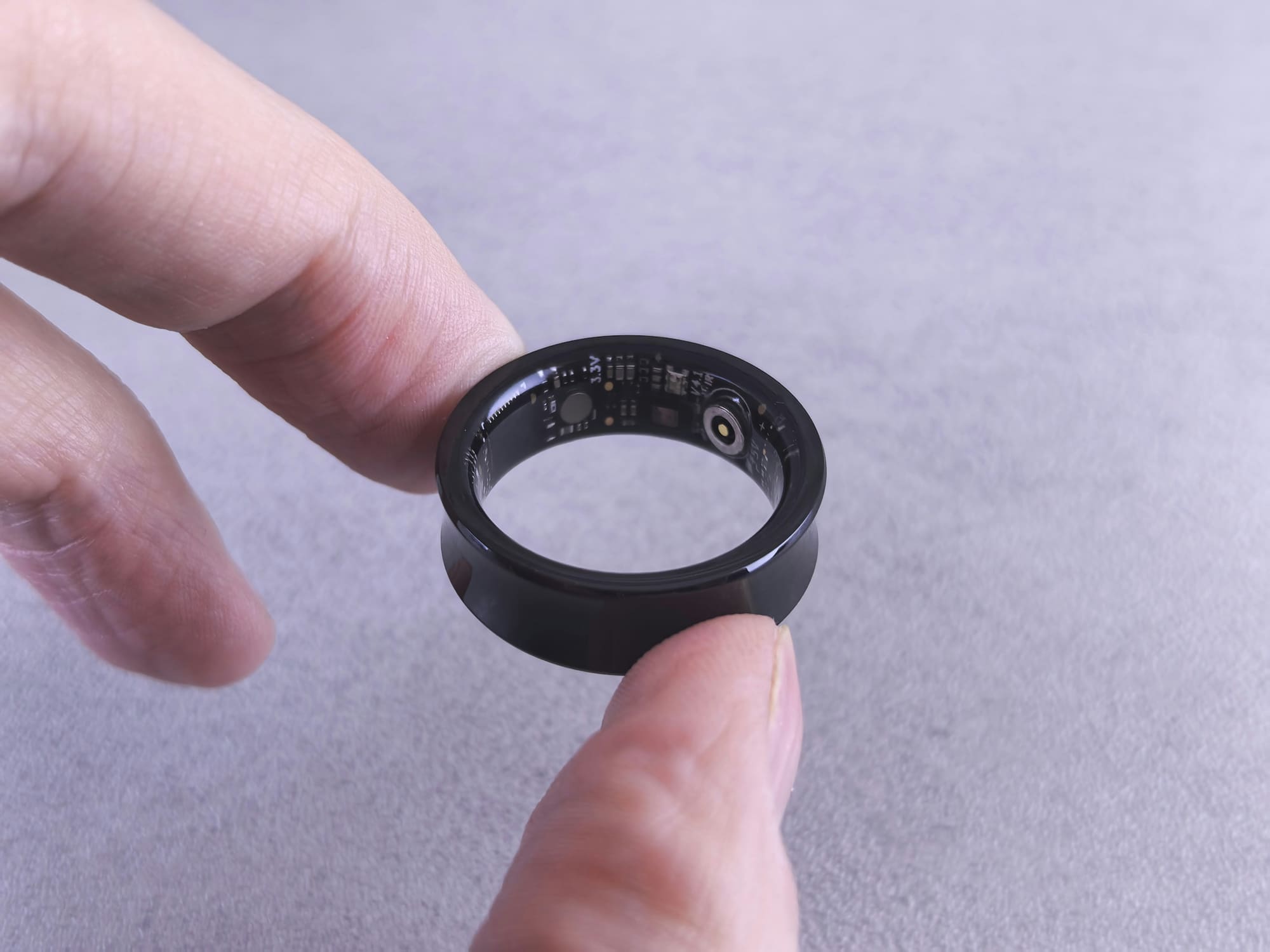
A ring or watch has no access to your brain waves. Instead it infers sleep from the body. An accelerometer detects movement, since we lie still when deeply asleep. An optical sensor shines light into the skin to track pulse, from which the device estimates heart rate and heart rate variability, both of which shift as the nervous system moves through the stages of sleep. Many devices also log skin temperature. Machine-learning models, trained on nights where people wore both the device and full laboratory equipment, then translate those signals into a hypnogram, the familiar staircase chart of your night.
How accurate is it?
Very good at one thing, less good at others. In a 2021 study in the journal Sleep, researchers at the US Naval Health Research Center tested seven consumer devices against polysomnography in 34 healthy young adults over three nights. Every device was excellent at detecting sleep, catching at least 93 per cent of the 30-second slices that the laboratory scored as asleep. They were much weaker at detecting wakefulness, correctly identifying between 18 and 54 per cent of wake periods, so they tend to overestimate how much you slept. Their sleep stage estimates were inconsistent, and they did worse on nights when sleep was disturbed, which is of course exactly when you most want an accurate answer.
The best devices have improved since. In a 2021 study of 440 nights from 106 people, researchers working with Oura reported that a ring combining movement, heart-related signals and body-clock information agreed with the laboratory on sleep versus wake 96 per cent of the time. Distinguishing four stages, wake, light, deep and REM, was harder: 79 per cent agreement, against 57 per cent using movement alone. Those figures come from authors employed by or advising the company, and some independent studies suggest light sleep may be underestimated, so they are best read as a ceiling rather than a guarantee.
The ring and the mind
The new study, posted to arXiv by Peter Neigel, Koichi Kise and colleagues at Osaka Metropolitan University, the German Research Center for Artificial Intelligence (DFKI), Aalborg University and the University of New South Wales, asked a deceptively simple question. Does a sleep tracker actually add anything to what people already know about their own sleep?
Twenty-nine university students wore an Oura ring for four to eight weeks during the summer of 2024. Every morning, within half an hour of waking and before looking at their data, they answered one question: how was your sleep compared with yesterday? Answers ranged from much better to much worse. They then took a short memory test called the 3-back, in which letters flash up one at a time and you must spot when a letter matches the one shown three steps earlier. It is a demanding test of working memory, the mental scratchpad you use to hold a phone number in your head.
Several ring measurements did track how people felt. A longer REM period than the night before, a lower overnight heart rate and later wake-up times all went with rating the night as better. Feeling better rested also went with better test scores that morning.
The interesting part came when the researchers tried to predict memory performance. The amount of REM sleep the ring recorded was among the strongest predictors. But people's own sleep ratings added predictive power on top of the ring data. In other words, participants seemed to know something about their night that the sensors did not capture. The authors also found hints that the effect of REM builds up over more than one night rather than resetting each morning.
Participants seemed to know something about their night that the sensors did not capture.
Three kinds of sleeper
Perhaps the most useful finding was that people differed. Using a statistical clustering method, the team identified three groups. For five participants, how they felt matched the ring's bodily signals closely: heart rate, REM and wake time. For eleven, the timing of bed and rising mattered most, possibly reflecting differences in body clock. For the remaining thirteen, only changes in REM sleep had any link to their ratings, and the connection was weak.
The authors' conclusion is that the value of a tracker varies from person to person. For some it is a genuine mirror; for others it adds little to their own judgement. They also note that sleep stage figures are hard to act upon, and suggest devices might do better to report something practical, such as how ready you are for mentally demanding work. The study was small, made up of young students, relied on a single question for sleep quality, and found correlations rather than causes, so it is a starting point rather than the final word.

When the data keeps you awake
There is a darker side to all this measuring. In 2017 Kelly Glazer Baron of Rush University Medical Center and colleagues described patients who sought treatment for sleep problems they had largely diagnosed from their tracker data. Some had become so preoccupied with perfecting their numbers that the effort itself worsened their sleep. The researchers named the pattern orthosomnia, modelled on orthorexia, an unhealthy fixation with eating perfectly. It is not a formal diagnosis. In the cases Baron described, what often worried patients were periods of light or restless sleep on their tracker, precisely the kind of stage data that devices struggle to get right.
The healthiest way to use a tracker may be the one this new study implies. Treat it as one opinion among several, and look at trends over weeks rather than any single night's score. Before you open the app, ask yourself how you slept. If the ring and your body disagree, your body deserves a hearing. And if poor sleep persists, or you snore heavily or wake gasping, talk to your GP rather than your phone.
Sources & further reading
- Neigel P, Selby DA, Arai S, Tag B, van Berkel N, Vollmer S, Vargo A, Kise K. Exploring the Alignment of Perceived and Measured Sleep Quality with Working Memory using Consumer Wearables. arXiv:2507.19491
- Chinoy ED, et al. Performance of seven consumer sleep-tracking devices compared with polysomnography. Sleep, 2021
- Altini M, Kinnunen H. The promise of sleep: a multi-sensor approach for accurate sleep stage detection using the Oura ring. Sensors, 2021
- Baron KG, et al. Orthosomnia: are some patients taking the quantified self too far? Journal of Clinical Sleep Medicine, 2017
- Sleep Foundation: Orthosomnia
This article is for general information and is not a substitute for personal medical advice. If you have concerns about your health, please speak to your GP or a qualified professional.